
Show a hiring manager what you've done and how you've done it, using the STAR Method to anticipate potential interview questions in advance.
Key takeaways
- Use the STAR Method to organize your interview responses
- The acronym STAR stands for situation, task, action and result
- Prepare interview answers for the following often-asked categories: leadership, teamwork, communication, adaptability and problem-solving
Follow along each month as GCSAA highlights career tips to help you stay at the top of your game professionally. This month: The STAR Interviewing Method.
Landing an interview is an accomplishment in itself. Now comes the next challenge: showing a hiring manager what you've done and how you've done it.
That's where the STAR Method comes in.
Behavioral interview questions such as, "tell me about a time you solved a problem," or "describe a situation where you had to lead a team through a challenge,” are designed to help employers understand how your past experiences may predict future performance. Rather than asking what you would do, they're asking what you have done.
Erin Wolfram, GCSAA's director of First Green and workforce development, recommends using the STAR Method to organize your responses. The framework helps you provide clear, concise examples that demonstrate your strengths and the value you can bring to an organization.
What Is the STAR Method?
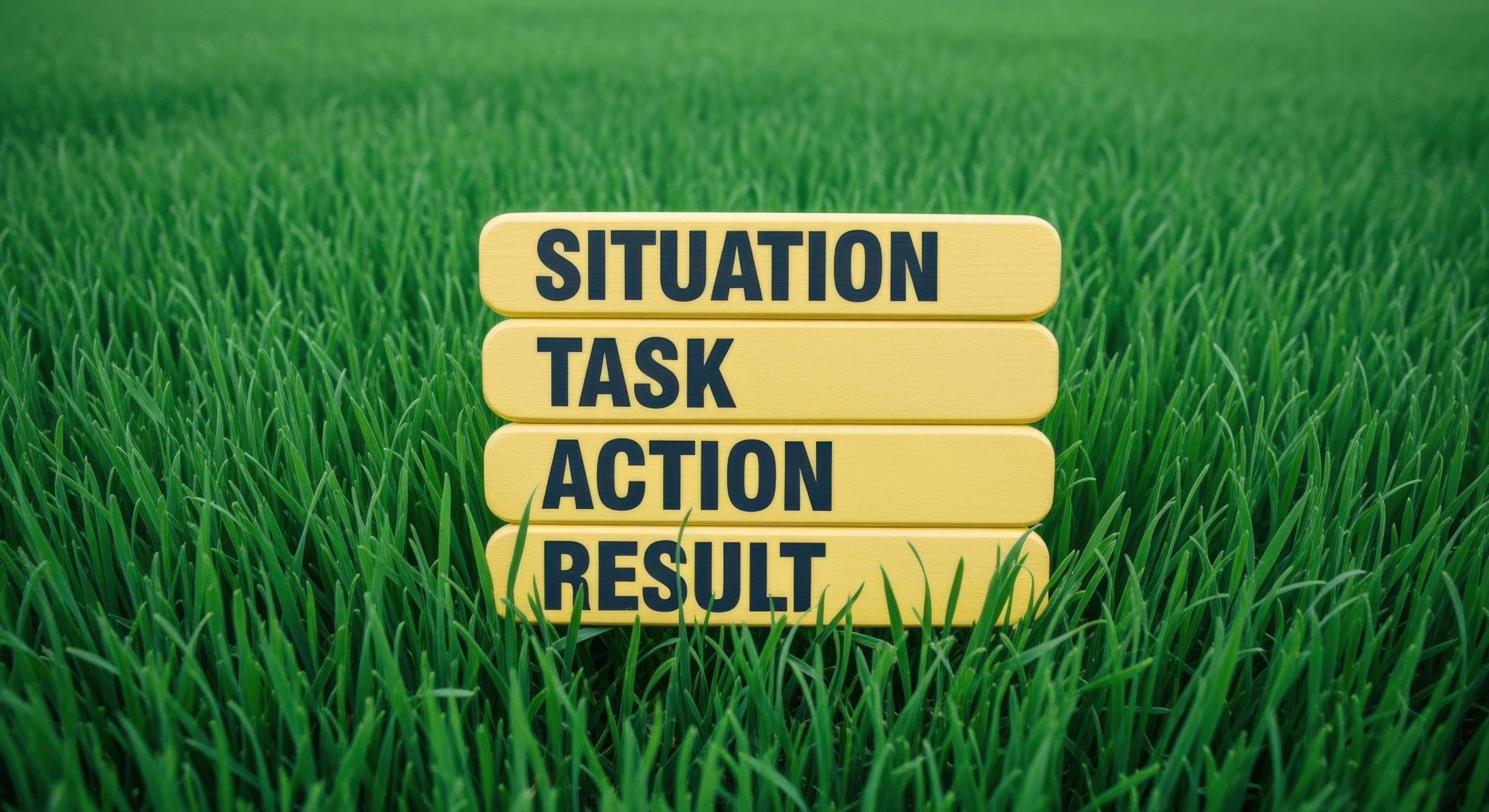
STAR is an acronym that helps you frame your response to behavioral interview questions:
- Situation: Describe the situation or challenge.
- Task: Explain your responsibility or objective.
- Action: Share the specific steps you took.
- Result: Highlight the outcome and what was accomplished.
"Examples help you show rather than tell and provide interviewers key insights about your strengths and the value you bring to an organization," Wolfram said.
Instead of simply telling an interviewer you're a good leader or an effective communicator, the STAR Method gives you an opportunity to prove it through real experiences.
Start with research
Before you begin thinking about your STAR stories, spend time researching the organization you're interviewing with.
"The more you know about the company and position, the easier it will be to respond to interview questions," Wolfram said.
She recommends researching the organization's structure, values and workplace culture through its website, social media channels and industry resources such as Glassdoor and Indeed. If you know someone familiar with the organization, don't hesitate to reach out and ask about their experience.
That research doesn't just prepare you to answer questions about the employer; it helps you choose the right STAR examples.
For example, if you're interviewing with a club known for hosting championship events, you might prepare a story about leading your crew through tournament preparation under rigid guidelines. If the facility emphasizes environmental stewardship, an example highlighting how you implement best management practices may better demonstrate the skills they're looking for.
Build Your STAR Stories
While you won't know the exact questions you'll be asked, Wolfram recommends writing out three to five stories before your interview.
Choose examples that highlight skills employers consistently value, including:
- Leadership
- Teamwork
- Communication
- Adaptability
- Problem-solving
Many situations can demonstrate multiple strengths. A story about implementing a new maintenance process, for example, might showcase leadership, communication and problem-solving all at once.
As you develop each story, keep it concise and focus on measurable outcomes whenever possible. Whether you improved efficiency, reduced costs, enhanced playing conditions or successfully led a team through a hardship, concrete results help interviewers understand your impact.
Practice before interview day
Practicing your STAR stories out loud helps build confidence and makes your responses sound more natural during the interview. It also helps you refine your examples so they remain focused and conversational rather than overly rehearsed.
Remember that the STAR Method is a framework, not a script. The goal is to have several well-prepared experiences you can adapt to different behavioral questions while staying authentic.
Leave a lasting impression
Every interview is an opportunity to demonstrate not only your technical knowledge, but also how you approach challenges, work with others and contribute to an organization's success.
By researching the employer beforehand and preparing several strong STAR examples, you'll be ready to answer behavioral interview questions with confidence and help hiring managers clearly see the value you can bring to their team.
If you are interested in brushing up your interview skills and practicing the STAR Method, consider conducting a mock interview through Career Advantage Golf. GCSAA members receive a 20% discount on all services. Find additional guidance on GCSAA’s “Career” page.
Next step